You can find a (probably out of date) schedule for our group meetings here.
Below you will find all members of the Causal Inference Group. Feel free to get in touch if you are interested in joining.
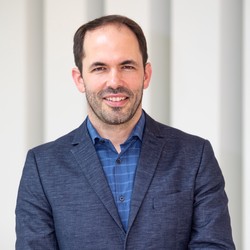
Assistant Professor
Making causal inference in epidemiology better
Jeremy’s work is a bit all over the place but the overall focus is improving causal inference in epidemiology.
Postdocs
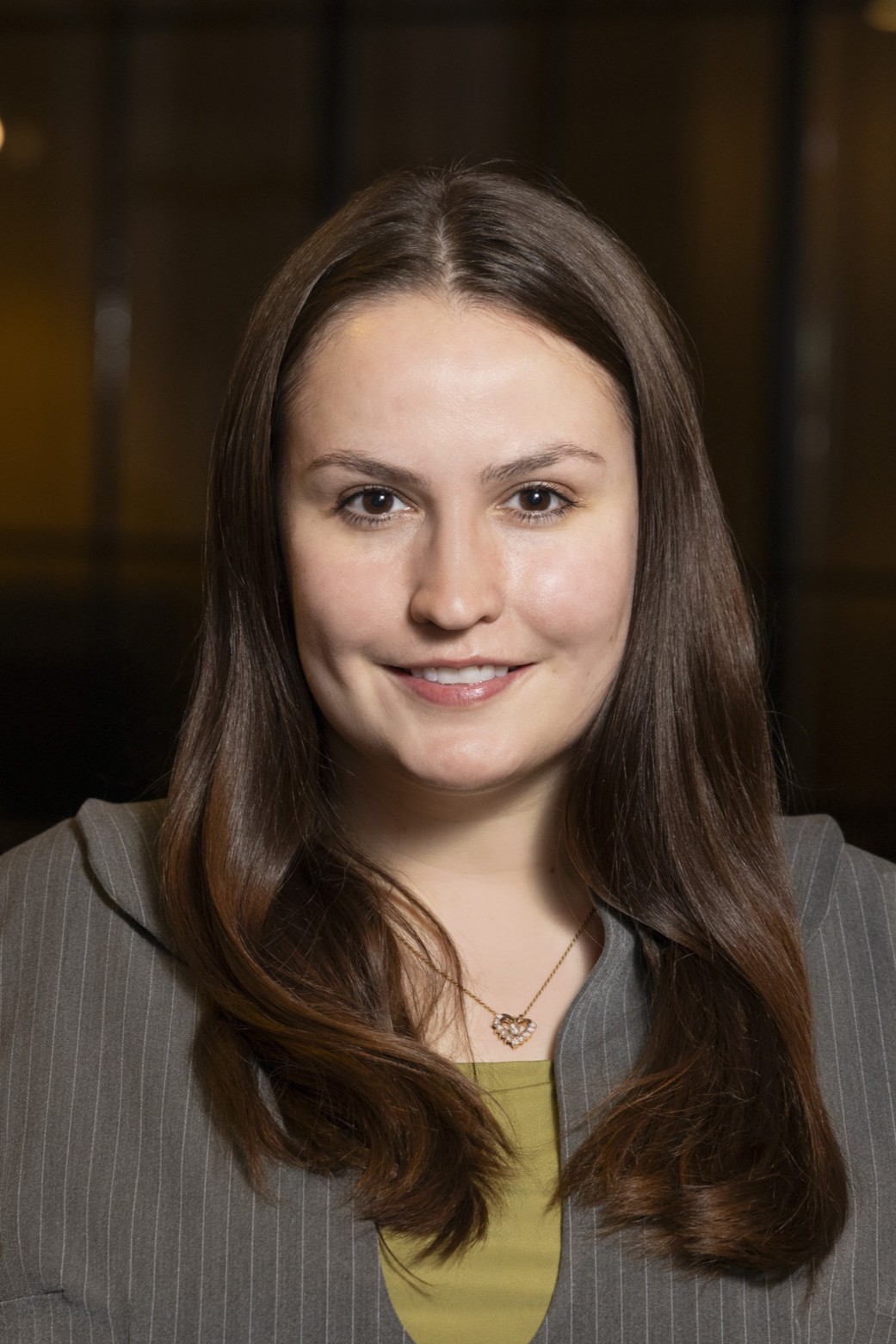
Colleen A. Reynolds
Postdoc
Causal inference in health equity research
Colleen’s work focuses on the application of causal inference methods to health equity research. She is particularly interested in appropriate confounder and covariate control, causal mediation analyses, and research questions that combine causal and descriptive components. Colleen’s doctoral research focused on LGBTQ+ populations and reproductive health inequities. Her current postdoctoral research examines how to estimate the causal effects of policies on health disparities when policies change the composition of the populations experiencing those disparities.
Phd students
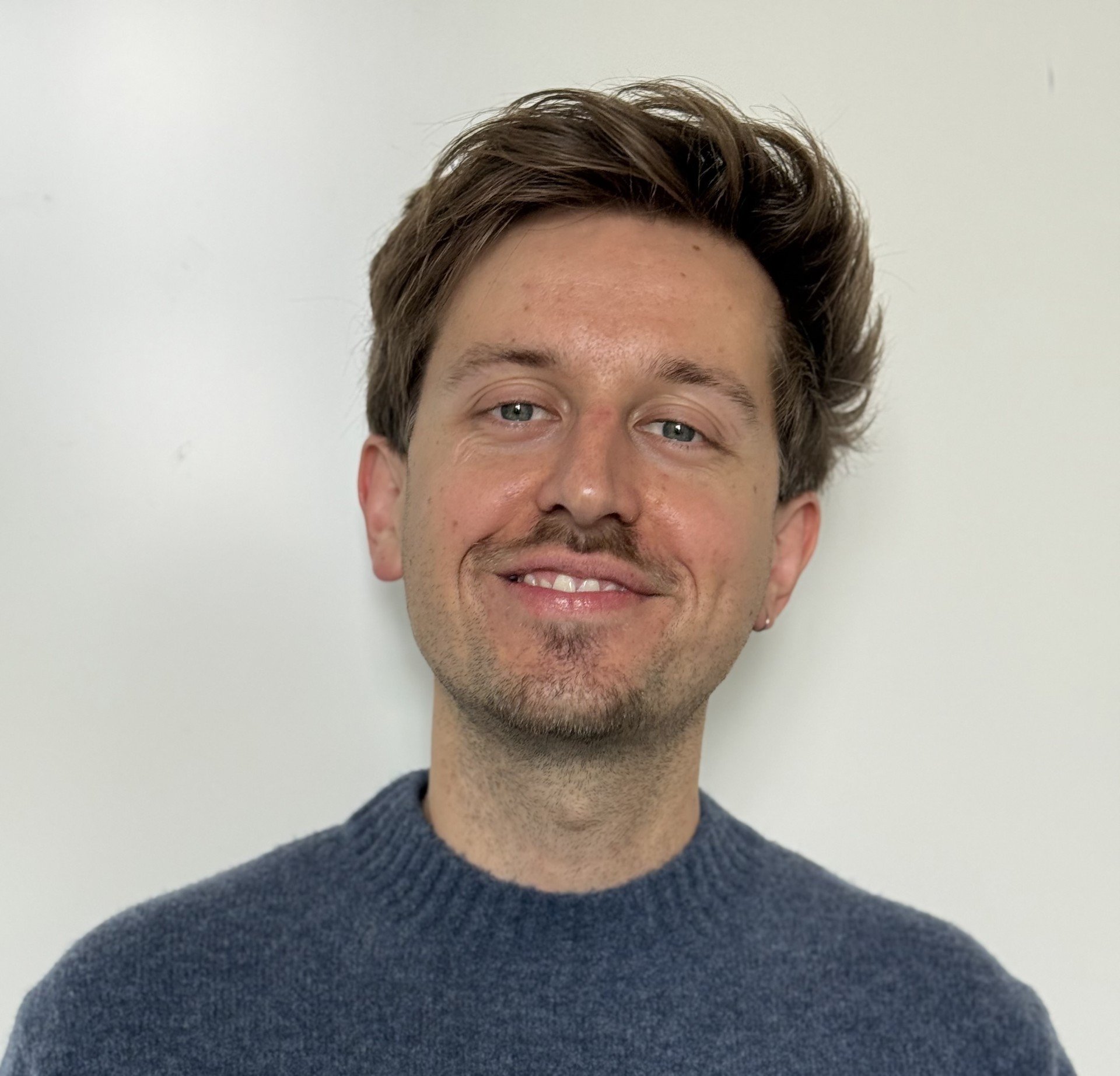
Maurice Korf
PhD candidate
Decision-analytical modelling as causal inference
Maurice’s work sits at the intersection of health decision science and causal inference, focusing on the formalisation of decision-analytic modelling as a task of causal inference. The work covers the interpretation of such models as causal models, their relationship to causal graphical structures, and the explicit articulation of underlying causal assumptions. He further investigates and applies causal bias analysis within this decision context, demonstrating its value in assessing how violations of internal and external validity may propagate through the decision-analytic model and overturn clinical decisions. More broadly, Maurice’s interests span epidemiological methods, with particular emphasis on statistical software, external validity, and causal bias.
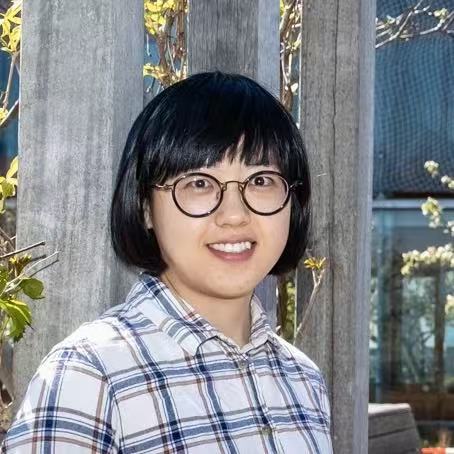
Chang Wei
PhD candidate
The consistency assumption in epidemiology
Chang’s work focuses on the consistency assumption in causal inference. Her research aims to identify and characterize settings in which the consistency assumption may be violated. She develops methodological approaches to partial identify the version-specific treatment effects in the presence of multiple versions of treatment. More broadly, her work seeks to translate substantive research questions into rigorous causal questions by defining appropriate estimands and proposing feasible analytical solutions.
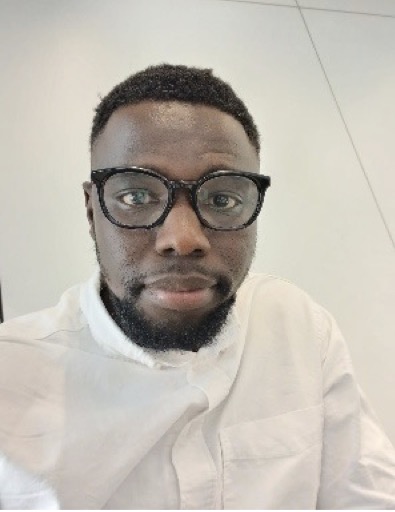
Muhammed Lamin Sambou
PhD candidate (co-supervised with Frank Wolters)
Causal inference in dementia prevention research
Muhammed’s PhD thesis focuses on dementia risk reduction and prevention through the application of modern causal inference techniques. In two of his projects, he applies target trial emulation (TTE) within the Rotterdam Cohort Study to investigate the causal effects of medications such as antidiabetics and benzodiazepines on dementia risk. In addition, his published work demonstrates no additive or multiplicative interaction between the MIND diet and physical activity (measured in MET-hours/week) on dementia risk. He has also critically reviewed the existing literature through a systematic review and meta-analysis examining the causal effects of pesticide exposure on dementia risk, a finding he will validate in the Generation R Cohort Study. To help inform policy and public health interventions, he has also investigated knowledge and perceptions of dementia risk and protective factors among the general adult population. This study reveals that dementia awareness remains low, while perceived susceptibility to dementia is heightened.
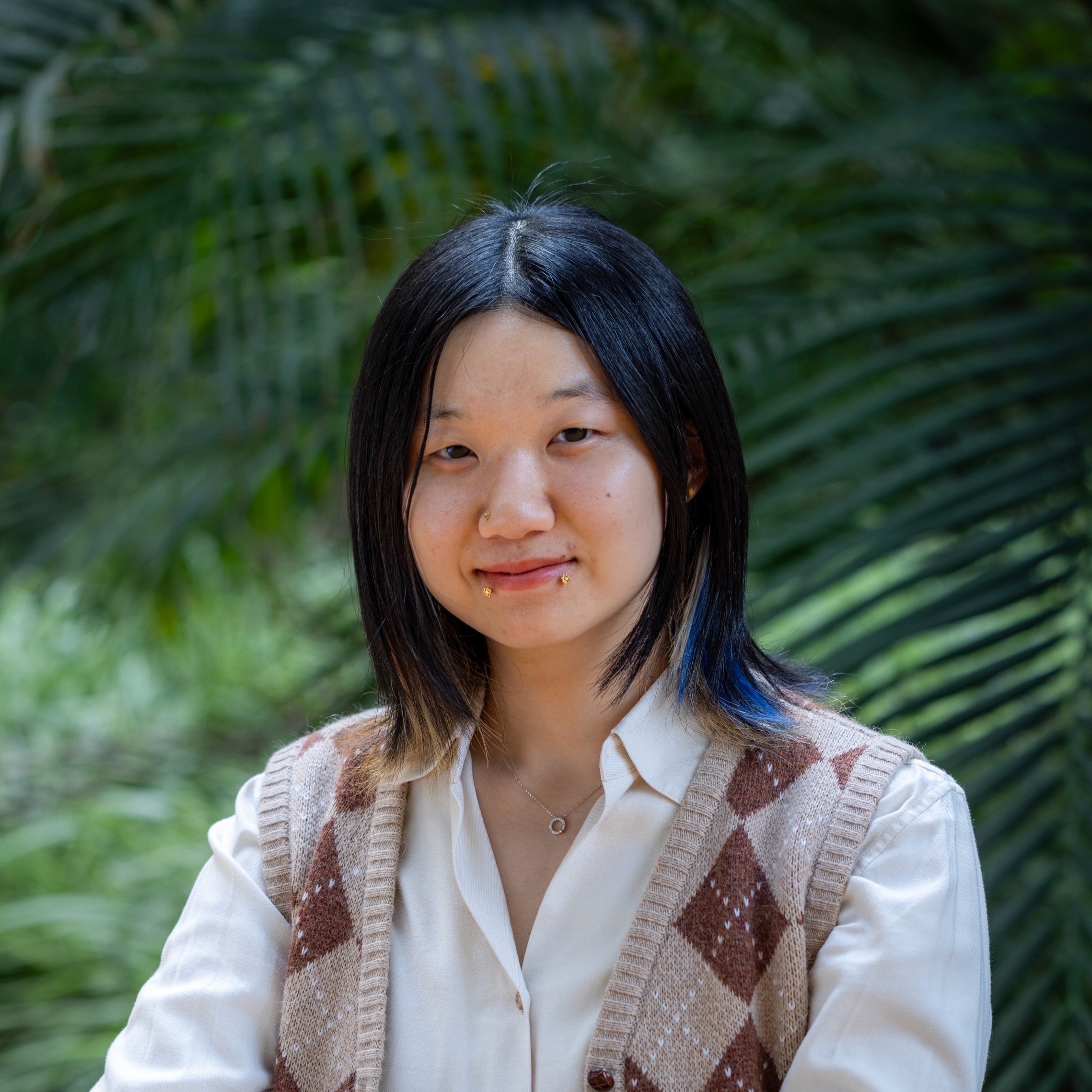
Keling Wang
PhD candidate
Causal triangulation and epidemiologic methods
Keling is interested in novel causal thinking methods needed “before and after causal estimation”, namely asking good causal questions, and alternatives in the violation of causal assumptions. Keling’s research primarily focuses on the formalization and application of causal triangulation methods, with interdisciplinary applied interests in social epidemiology and transgender/queer health.
MSc students
Emma Keizer
Research master student
Incorporating expert knowledge into causal discovery
TBD
Former members
| Name | Degree | Year |
|---|---|---|
| Annalisa Tidona | MSc | 2025 |
| Malte Henning Bäckmann | MSc | 2025 |
| Stijntje Dijk | PhD | 2025 |
| Amber Selie | MSc | 2024 |
| Melvin Lam | MSc | 2024 |
| Sjoerd van de Weerd | MSc | 2024 |
| Chang Wei | MSc | 2023 |